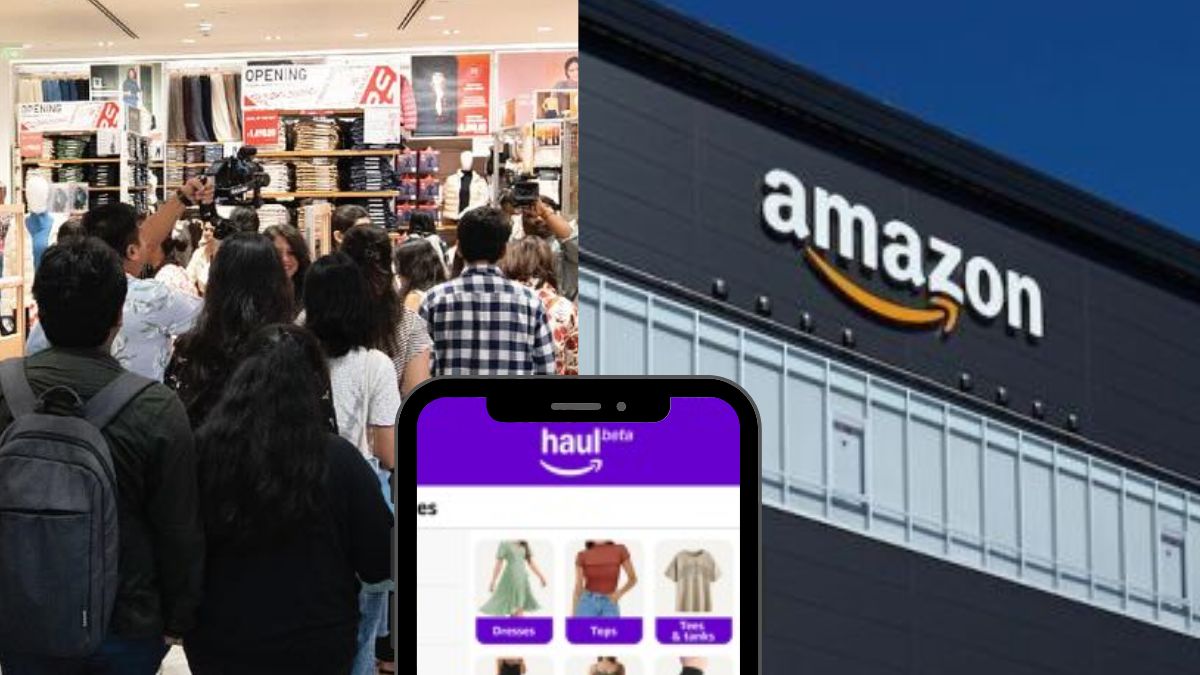
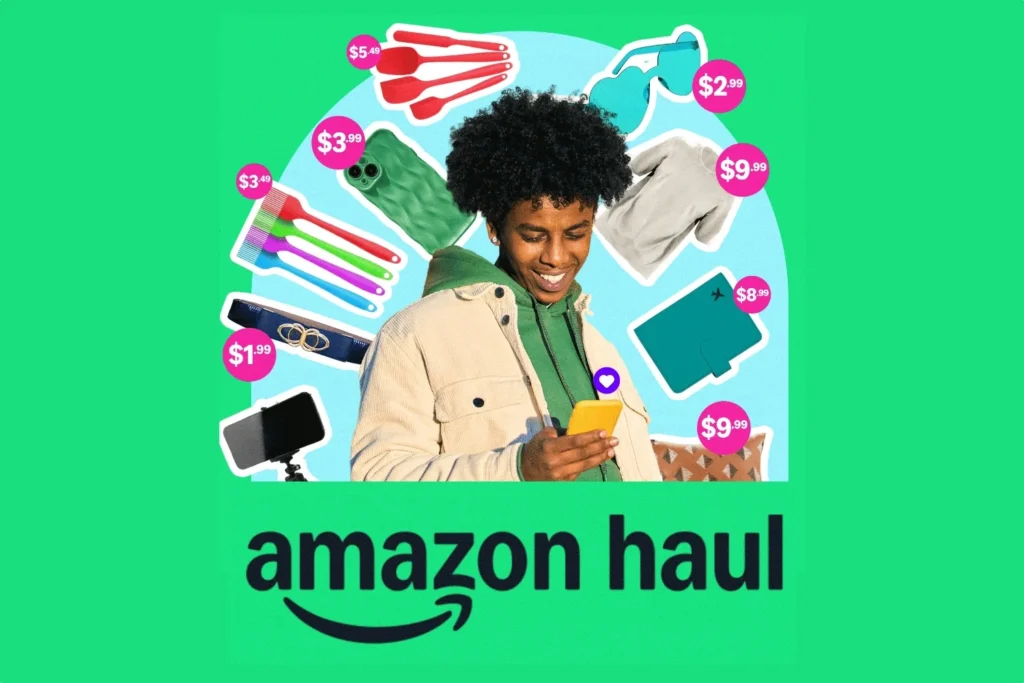
In an effort to compete with low-priced, fast-fashion retailers like Shein, Temu and the TikTok Shop, Amazon launched its new “Amazon Haul” digital storefront Wednesday morning, offering goods at low prices but longer delivery times, as products ship directly from a Chinese warehouse.

Key facts

  • In Amazon Haul, a distinct storefront available only on the retailer’s mobile app or on mobile browsers, a range of products including home goods, clothing and electronics are available for $20 or less, with most under $10, the company says.
  • Though Amazon is known for its speedy delivery times through Amazon Prime, which offers one-, two- or even same-day delivery, typical delivery times for Amazon Haul purchases range from between one to two weeks, the company says.
  • Amazon Haul items take longer to deliver because they ship directly from warehouses in China, The Wall Street Journal reported, a similar method to Shein and Temu (Shein is a Chinese company, and Temu is owned by the Chinese e-commerce company PDD Holdings).
  • Amazon says it screens products available on its Haul marketplace to make sure they are “safe, authentic, and compliant with applicable regulations.”
  • Products purchased for under $3 are ineligible to be returned, Amazon says, and orders purchased for over $25 are eligible for free delivery.

Tangent

Last year, TikTok also launched its own shopping operation to compete with Temu and Shein. The social media giant, which boasts over 150 million U.S. users, launched the TikTok Shop in September 2023, allowing users to buy and sell products directly in the app through a marketplace tab, in live videos and through video advertisements. Earlier this year, TikTok said it wanted to grow its shopping venture to $17.5 billion in merchandise value in 2024. The TikTok Shop, however, has faced some criticism, including a warning from the Better Business Bureau that scammers may be selling faulty products. The left-wing group Media Matters for America reported some vendors sold bootleg health products, which TikTok Shop rules prohibit, and one woman was charged earlier this year for selling counterfeit Ozempic on TikTok.

How big of a threat are Shein and Temu to Amazon?

The Wall Street Journal reported earlier this year Amazon began viewing Shein and Temu as bigger threats than retailers like Walmart and Target, citing people familiar with internal company meetings. Temu’s monthly U.S. user base has grown to 51.4 million since its September 2022 launch, over which period Amazon’s U.S. user base fell from 69.6 million to 67 million, according to the Journal, though Amazon said it did not report a decline in usership. Temu quickly rose to prominence in 2023 thanks to a massive advertising campaign that included a Super Bowl commercial, positioning itself as a competitor to Shein. Shein, which launched in 2008, reportedly generated $22 billion in revenues in 2022 and was valued at $66 billion last year, The Wall Street Journal reported.

Chief critics

Both Shein and Temu have faced criticism for the allegedly poor quality of their products and concerns over working conditions. Last year, a congressional probe into Shein and Temu found an “extremely high risk that Temu’s supply chains are contaminated with forced labor.” Congress and a coalition of state attorneys general have pressed Shein to prove it does not use forced labor, citing a Bloomberg report that found some clothing the retailer sold was produced with cotton from the Xinjiang region of China, where the U.S. believes the Uyghur people are subject to forced labor.

Key background

Amazon has been known to aggressively combat competitors. In 2016, the company reportedly set up what it called the “Wayfair Parity Team” to compete with the furniture retailer, aiming to replicate many of its products. The Wall Street Journal reported Amazon focused on competing with Shopify in 2020, creating a task force to study the company and replicate parts of its business model.
Walt Disney and Reliance Industries announced Thursday the completion of the $8.5 billion merger of their Indian media assets after securing relevant regulatory approvals.

Joint venture

The joint venture (JV) is controlled by Reliance, which holds a 16.34% stake, while its majority-owned Viacom 18 Media has a 46.82% stake. Disney retains a 36.84% stake, according to a joint statement.

The JV consists of three separate divisions, each with its own CEO. The newly formed divisions include entertainment, which includes Reliance’s Colors TV channels and Disney’s Star; the digital division, which includes online streaming platforms Hotstar and JioCinema; and the sports division. 

The entertainment division will be led by Kevin Vaz, who has been leading Viacom 18 Media, while former Google executive Kiran Mani, who has been leading JioCinema, will take charge of the digital organization. Sanjog Gupta, the head of sports at Disney’s Indian media operations, will lead the JV’s sports division. 

The transaction was greenlighted by the Competition Commission of India (CCI) in August, and it has also secured approvals from anti-trust authorities in the EU, China, Turkey, South Korea, and Ukraine.

Billionaire Mukesh Ambani’s wife, Nita Ambani, will serve as the chairperson of the JV. 

Media giant

The merged entity operates over 100 television channels and annually produces over 30,000 hours of TV entertainment content. JioCinema and Hotstar streaming platforms have an aggregate subscription base of more than 50 million, while it also holds sports rights across cricket, football, and other sports.

The JV will be one of the biggest media and entertainment companies in the South Asian country, with around $3.1 billion in pro forma combined revenue for the fiscal year ended March.

Forbes valuation

Ambani, the chairman and managing director of Reliance Industries, boasts a net worth of $99.7 billion as of November 14, making him Asia’s richest and the world’s 17th wealthiest person, according to Forbes estimates. 

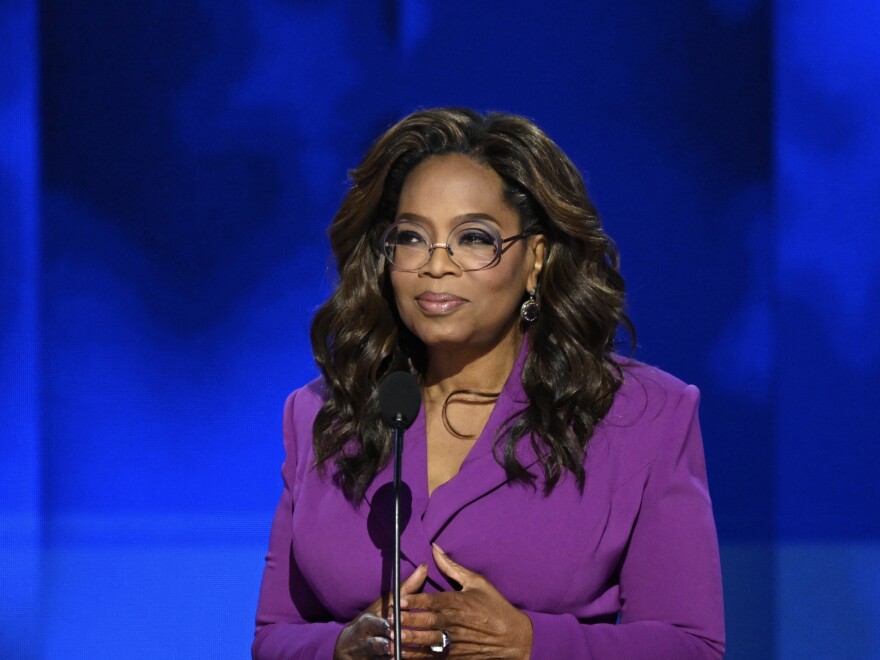
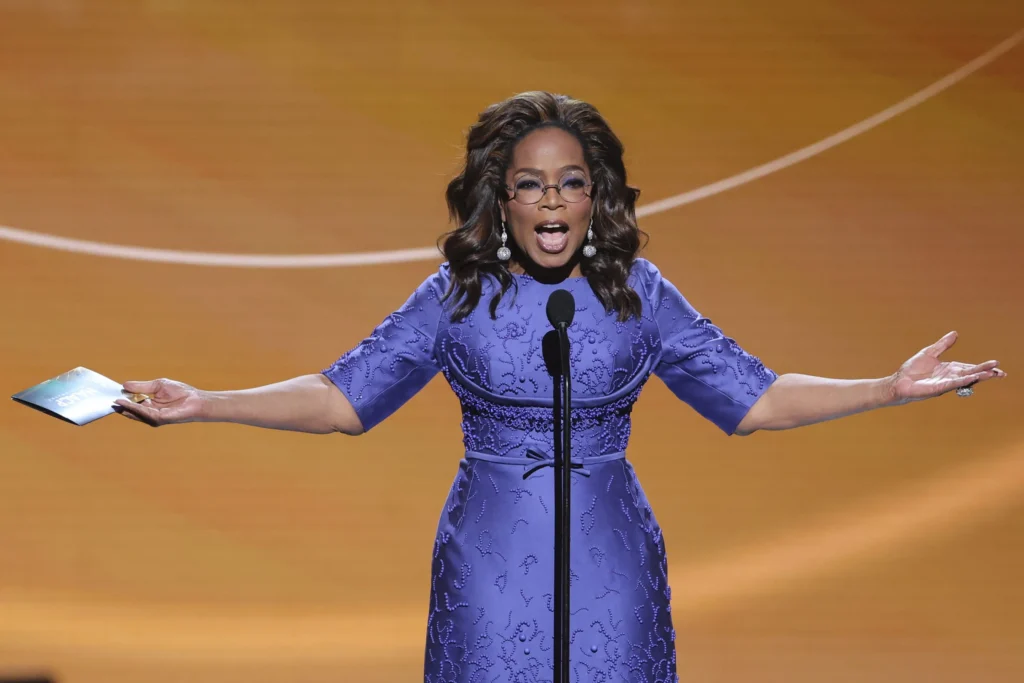
Billionaire Oprah Winfrey launched “The Oprah Podcast,” a fairly late addition into the podcast wars, and an addition to her traditional media empire.

Key facts

  • Winfrey’s announcement of the new podcast creates an outlet for hosting weekly interviews and a recurring monthly interview in partnership with Starbucks (where episodes are filmed inside Starbucks shops alongside products) with an author for Oprah’s “Book Club,” according to a Tuesday press release.
  • The show will launch with an interview with award-winning Irish author Claire Keegan, and the channel already had more than 39,000 subscribers shortly after launch.
  • Winfrey also films an interview series called “Oprah’s Super Soul” on the Oprah Winfrey Network (OWN), which has run for more than 530 episodes and features high-profile interviews with people like Jimmy Kimmel and Malala Yousafzai.
  • Winfrey launched OWN in 2011 with Warner Bros. Discovery after nearly three decades of hosting her massively popular TV talk show—which created the cash profits that put her into billionaire territory—and swapped half of her 50% stake in OWN in 2020 for Warner Bros. Discovery shares.

Key background

Winfrey has continued to grow her brand after decades. Oprah.com—Winfrey’s website that houses OWN content—“averages 43 million page views, 6.5 million unique users per month and has close to 7 million members,” according to press materials. Episodes of Oprah’s “Super Soul Sunday” reach thousands of viewers on YouTube alone. Throughout the 2024 election, her brand helped garner thousands of views for a nearly 90-minute interview with Democratic presidential candidate Kamala Harris. As Winfrey pivots to YouTube, she’s entering the increasingly competitive world of podcasts. Edison Research from October reports that in 2024, YouTube beat Spotify and Apple Podcasts as the go-to source for 31% of weekly podcast listeners. The popularity was also evident from the 2024 election, where podcast interviews with presidential candidates garnered hundreds of millions of views in total. President-elect Donald Trump is credited with a strategy that reached more than 50 million viewers through his interview with Joe Rogan alone.

Forbes valuation

Winfrey is worth an estimated $3 billion, making her one of the wealthiest self-made women in the world. Forbes also follows her large real estate portfolio, worth millions.

Surprising fact

Winfrey originally partnered with Starbucks to promote reading and funding for literacy programs in the 1990s.

The minimum net worth to qualify crosses $1 billion for the first time.

Despite concerns over the weak purchasing power of its middle class, resource-rich Indonesia is targeting 8% economic growth, up from the estimated 5.1% expected this year, under its new president Prabowo Subianto, who took office in October. Indonesia’s benchmark stock index notched up a 3% increase since fortunes were last measured, helping lift collective wealth to $263 billion from $252 billion last year. And a major milestone was achieved, as the minimum net worth for inclusion on the list breached $1 billion for the first time, up from $940 million last year.

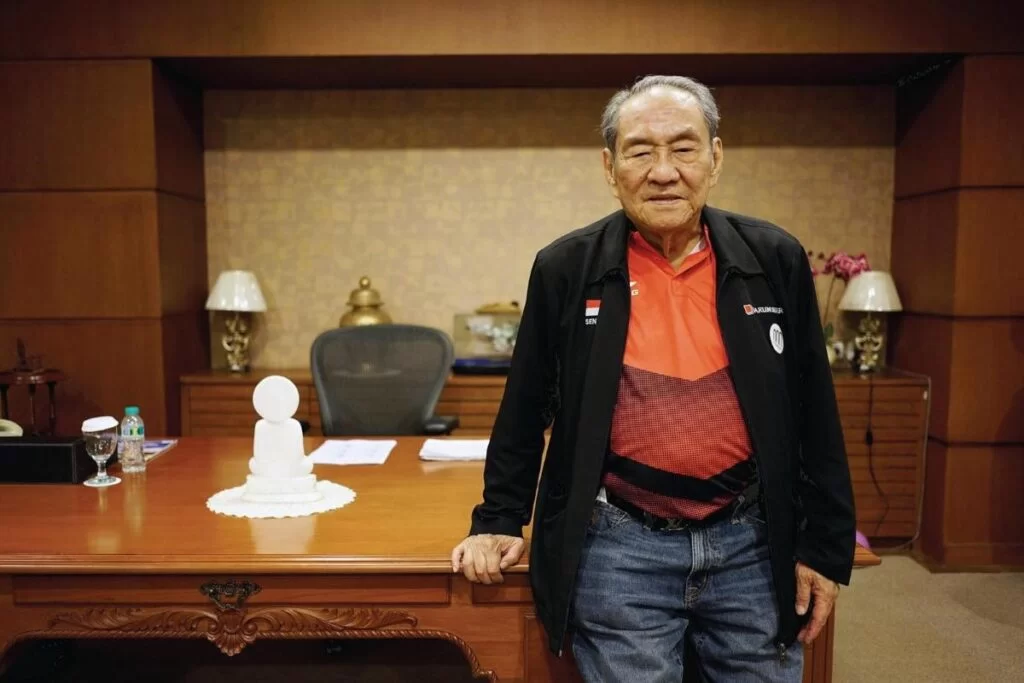
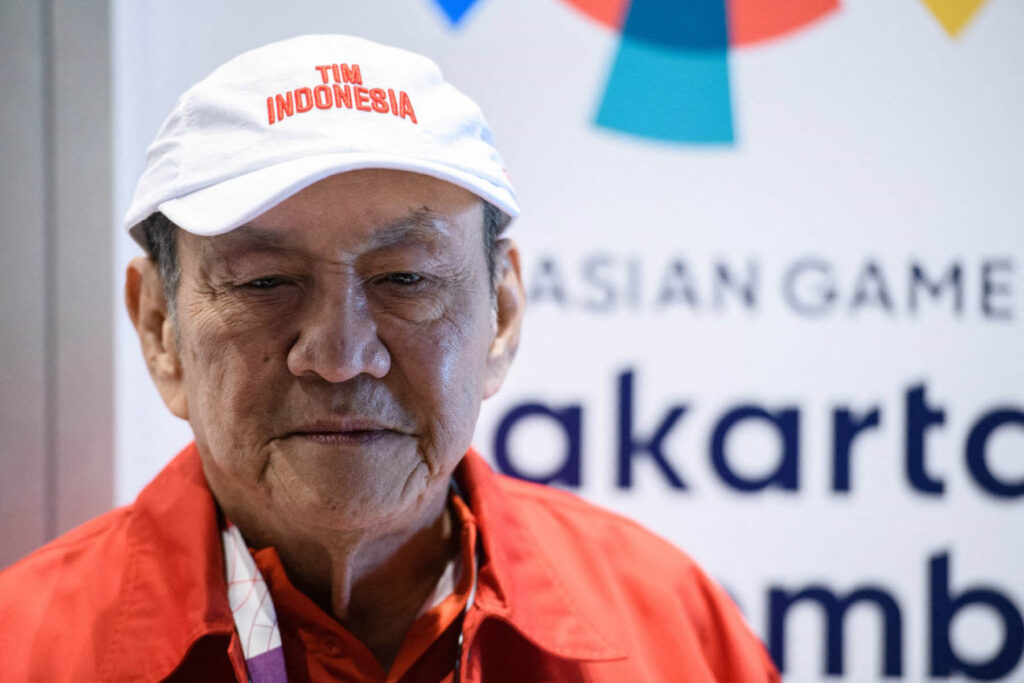
A total of 31 listees are wealthier this year, including brothers R. Budi and Michael Hartono, at No. 1, a position they have held for over a decade. Their fortune is up by $2.3 billion to $50.3 billion, thanks partly to rising shares of Bank Central Asia, which posted stellar loan growth over the nine-month period ended September. Petrochemicals and energy tycoon Prajogo Pangestu held on to the second spot, despite a 25% drop in his wealth to $32.5 billion. The decline was largely due to an adjustment in the valuation of his geothermal energy firm Barito Renewables Energy, which has been buffeted by stock volatility.

Coal magnate Low Tuck Kwong is once again the third-richest though his net worth is nearly flat at $27 billion. Revenue of his Bayan Resources, the country’s fourth-largest coal producer by sales volume, fell by 10% to $2.5 billion in the nine months to September, amid lower coal prices. Bayan Resources, which has a slew of upcoming projects, produced the only new face this year: its chief operational officer Lim Chai Hock, a Malaysian expatriate, who also sits on the board of several of its subsidiaries.

The biggest gainer in both dollar and percentage terms is the Widjaja family, whose fortune soared 75% to $18.9 billion. Shares of Dian Swastatika Sentosa, the energy and infrastructure flagship of the family’s Sinar Mas group, skyrocketed more than sevenfold, buoyed by its diversification into geothermal energy and data centers.

Media and real estate tycoon Hary Tanoesoedibjo, a business associate of U.S. president-elect Donald Trump, returned to the ranks after dropping off last year, on rocketing shares of MNC Digital Entertainment and MNC Land. His listed property outfit is set to soon open the Trump International Golf Club Lido in West Java. The other returnee is Han Arming Hanafia, cofounder of DCI Indonesia, the country’s largest data center operator by market share, which saw its stock gain nearly 30% amid a global tech expansion.

Three from last year dropped off, including theater tycoon Benny Suherman, whose Nusantara Sejahtera Raya, owner of Cinema XXI, the country’s largest cinema chain by number of theaters, took a hit following lower-than-expected revenue in the third quarter.

Reporting by Sonya Angraini, Gloria Haraito, Yessar Rosendar, Phisanu Phromchanya, Jessica Tan, Yue Wang and Ardian Wibisono.

Methodology:

This list was compiled using shareholding and financial information obtained from the families and individuals, stock exchanges, annual reports and analysts. The ranking lists both individual and family fortunes, including those shared among relatives. Private companies were valued based on similar companies that are publicly traded. Public fortunes were calculated based on stock prices and exchange rates as of Nov. 22, and adjustments may have been made for some stocks that are thinly traded or have a low public float. The list can also include foreign citizens with business, residential or other ties to the country, or citizens who don’t reside in the country but have significant business or other ties to the country. The editors reserve the right to amend any information or remove any listees in light of new information.

By Jane Ho and Naazneen Karmali.

The US Securities and Exchange Commission (SEC) has reopened a probe into Elon Musk’s neuro-technology startup Neuralink, according to the billionaire’s lawyer, Alex Spiro.

SEC scrutiny

A letter from Spiro to the outgoing SEC Chair Gary Gensler, shared by Musk on X, stated that the agency staff on Wednesday issued a settlement demand requiring Musk to agree within 48 hours to either accept a monetary payment or face charges on numerous counts over an investigation into his acquisition of Twitter. The settlement amount was not mentioned in the letter. 

Additionally, Spiro stated that the agency reopened an investigation into Neuralink this week, while the exact nature of the investigation was not specified.

The SEC staff indicated that the demand resulted from a directive from their superiors, with charges to be brought against Musk imminently unless he acquiesces. Spiro added that he was recently subpoenaed for testimony and threatened with a process server in case he did not immediately cooperate, which he refused. 

The letter accused the SEC of being engaged in an “improperly motivated campaign” against Musk and the individuals and companies associated with him.

Reuters later reported, citing a source familiar with the matter, that the agency has extended the deadline for Musk to respond to its offer to Monday following a request for more time.

Musk-SEC tensions

Musk has had a rocky relationship with the SEC over the years. In November last year, four US lawmakers wrote to the agency to investigate if Musk committed securities fraud by allegedly misleading investors regarding the safety of Neuralink’s brain implant.

This year, a Federal judge declined the SEC’s request to sanction the billionaire after he failed to appear at a testimony related to the Twitter takeover. In 2018, the agency sued Musk for his Twitter posts about taking Tesla private, which he settled with a $20 million fine.

However, with Gensler set to resign on Donald Trump’s inauguration and the President-elect’s close relationship with Musk, it remains unclear how much the SEC will continue to scrutinize Musk’s ventures, including Tesla, SpaceX, X, and Neuralink.

Musk is also set to co-lead a task force termed the Department of Government Efficiency (DOGE) along with Vivek Ramaswamy, aiming to overhaul the US government to boost efficiency. 

Reacting to a separate ruling against the SEC on Thursday, Musk termed the agency as “just another weaponized institution doing political dirty work,” while Ramaswamy said it has lost its legitimacy as a law enforcement body.” This indicates that the agency is likely to come under scrutiny by the DOGE taskforce.

Forbes valuation

Musk has a net worth of $429.2 billion as of December 13, making him the world’s richest person, according to Forbes estimates. On Wednesday, he became the first-ever person to have a net worth of over $400 billion.

The cofounders of gaming sensation miHoYo are looking at leveraging AI for their next generation of titles.


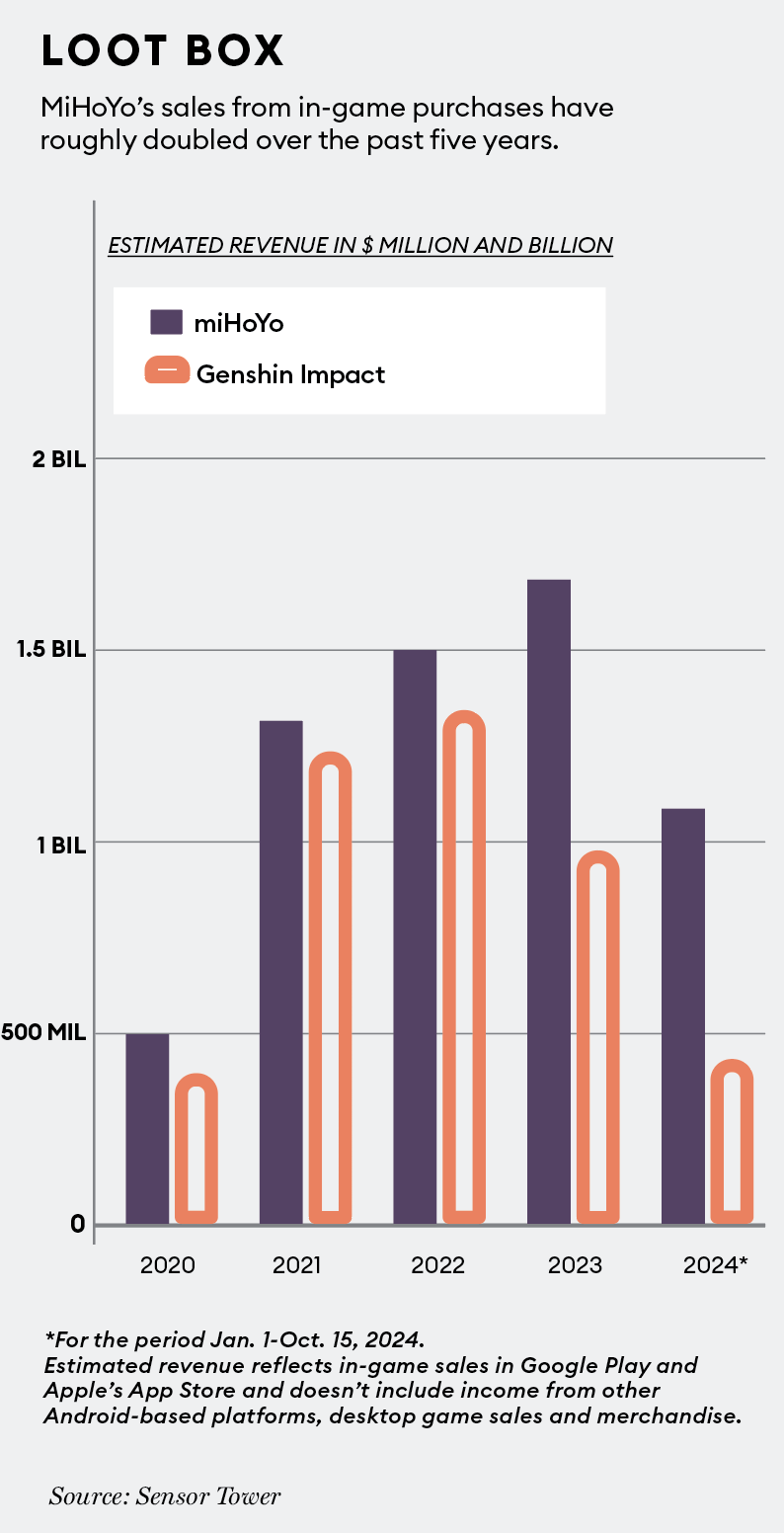
A string of mega-hits from miHoYo, the creator of breakout success Genshin Impact, an anime-styled action adventures game, propelled three new billionaires into the ranks of China’s 100 Richest. The Shanghai-based games developer, valued at an estimated $20 billion, is now looking to generative AI to power a next generation of games as it battles for turf in the fiercely competitive industry.

“It’s not difficult to see our goal if you look at our history, to see the games we have made,” cofounder Cai Haoyu said during a virtual presentation at an industry conference in 2021. “We strive to create a more immersive gaming world.”

At 37, Cai is one of the youngest new entrants to the list, debuting at No. 43 with a net worth of $7.3 billion. The largest individual shareholder at privately held miHoYo, Cai stepped down as chairman late last year to focus on the company’s deep tech investments that range from humanoid robots to a metaverse social networking app. The entrepreneur is still the company’s CEO, according to Chinese corporate data provider Qichacha. Liu Wei, 37, who succeeded Cai as chairman and is the company’s president, comes in at No. 86 with a $4.4 billion fortune. The third cofounder, 35-year-old vice president and shareholder Luo Yuhao, ranks No. 90 with $4.3 billion. The company declined to comment.

The trio has carved out a niche in the gaming community with their rich and immersive storylines and virtual world settings that players can freely explore. While miHoYo’s games are free, players can make in-game purchases to unlock new characters and resources to advance in the game—a lucrative money-spinner called gacha that’s generated at least $1 billion in revenue this year alone, according to estimates from Sensor Tower, a San Francisco-based market intelligence platform.

Its biggest earner is flagship Genshin, the world’s 13th largest mobile game by revenue as of October, according to Sensor Tower. Besides its Google Play and Apple’s App Store sales, miHoYo generates income from desktop versions of its games, purchases from other Android-based platforms such as smartphone giant Xiaomi’s Mi Store, and a line of merchandise, from character figurines to clothes and toys.

Genshin was an immediate hit when it launched in 2020, raking in $2 billion in sales (including fees paid to app stores) in the 12 months after its release, while earning plaudits for its fast-paced gameplay that allows players to interact with intelligent non-player characters. Its art design, inspired by Japanese comics and graphic novels, has attracted fans known as er ci yuanin Chinese, or otaku in Japanese—terms to describe enthusiastic followers of animation, manga and video games.

Data courtesy of Forbes


“MiHoYo’s gameplay and the art design really suit the er ci yuan,” says Cui Chenyu, a Shanghai-based analyst at advisory and research firm Omdia. She adds that the company often promotes its titles and merchandise at events such as China’s Bilibili World, one of the country’s largest anime, comics and games expos.

The cofounders’ journey began at Shanghai Jiao Tong University, where Cai—who reportedly got his first computer at age 7—studied computer science. In his spare time, he wrote minigames and uploaded them to China’s games-distribution platform 4399, according to local media reports. He later roomed with Liu Wei and Luo Yuhao, where they discovered a shared passion for online games and decided to set up their own creative studio.

In 2011, they launched their first title, a mobile game called Fly Me 2 The Moon, a tribute to the theme song of popular Japanese anime series Neon Genesis Evangelion. A devoted fan, Cai often wore T-shirts featuring its characters to work—then a crammed 70-square-meter apartment in Shanghai rented for 3,900 yuan ($550) a month. (He has in recent years reportedly switched to T-shirts with company logos. Meantime, miHoYo spent 1.1 billion yuan in late 2023 to buy land in Shanghai for its new headquarters.)

At first, the team had little luck in raising funds. In a 2019 interview with state-run news outlet The Paper, Liu recalled how they were repeatedly turned down by a number of major venture capital firms, and told that players preferred battle games to animation so best to switch direction. The trio demurred. “We really want to keep our startup going, but only under the condition that we could do our own thing,” Liu said.

The first investor to spot miHoYo’s potential was Song Tao, founder of Hangzhou-based internet firm Sky-mobi, who put in 1 million yuan in 2012 in exchange for a 15% stake. (It’s unclear how much Song still holds.) With that funding, Fly Me 2 The Moon was transformed into miHoYo’s successful role-playing Honkai series, which found favor with the growing number of anime fans who have come online in China in the past decade. The latest title in the series, HonkaiStar Rail has been downloaded over 100 million times since its release in April 2023.

Still, there were some barriers to leveling up. In 2017, miHoYo filed for an IPO with Chinese regulators, seeking to raise at least 1.2 billion yuan on mainland bourses. It withdrew the application three years later, reportedly in part because potential investors questioned the relatively few titles in the firm’s portfolio at the time.

“As a mature gaming company, miHoYo must break into other genres and develop new gameplay.”

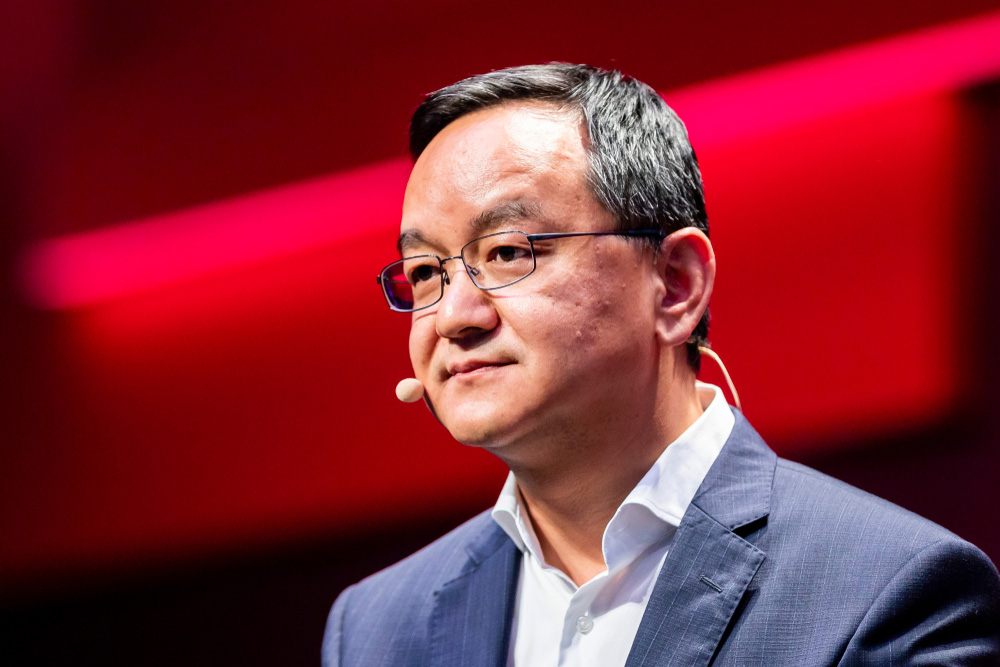
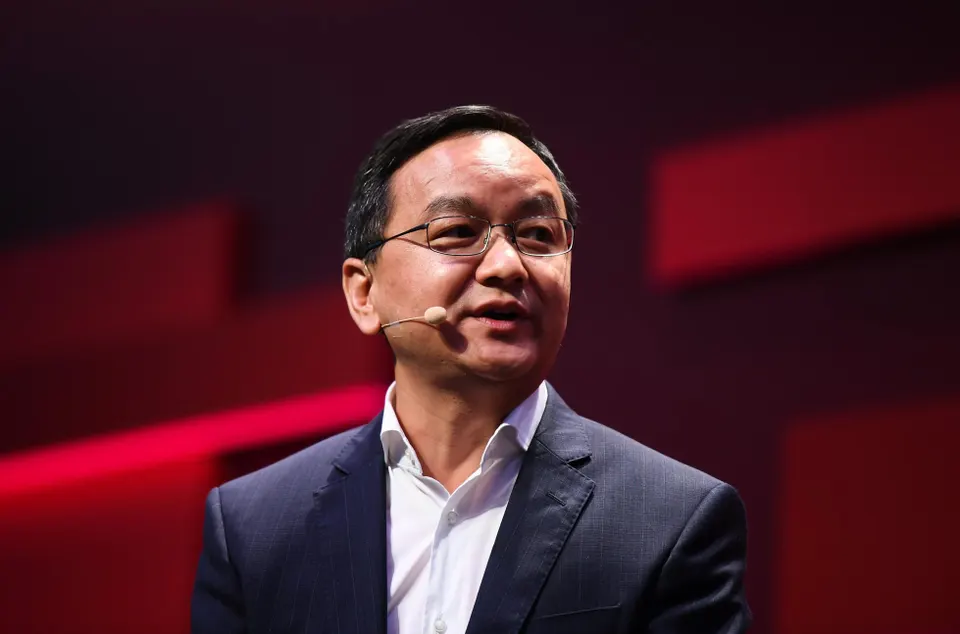
Fast forward to today and miHoYo faces heightened competition, such as from billionaire William Ding’s gaming giant NetEase, which has its own anime-based game in the works. Stan Zhao, a Shanghai-based analyst at research firm Blue Lotus Capital Advisors, says miHoYo’s latest release, Zenless Zone Zero, a post-apocalyptic role-playing game, isn’t as innovative. According to Sensor Tower, it was the 44th most downloaded free role-playing game in October in Apple’s App Store in China, slipping down the ranks from No. 21 shortly after its release in September.

Analysts say miHoYo has more titles in the pipeline that include an action shooter game in a sci-fi setting and another that emphasizes socializing with other players. In September miHoYo created a buzz in the gaming community when it reportedly registered a generative AI model called Glossa with Chinese regulators—expected to power content like intelligent non-player characters.

“In a market of cut-throat competition like China, other developers will surely try to seize the trend of er ci yuan games,” says Zhao of Blue Lotus. “As a mature gaming company, miHoYo must break into other genres and develop new gameplay.”

James Peng, chairman and CEO of Chinese autonomous driving company Pony.ai, dropped off the billionaire list after the company he cofounded in 2016 saw its valuation plunge almost 50% over the past two years.

Pony.ai is now worth $4.5 billion based on the top end of a price range indicated in a prospectus, down from an eye-popping $8.5 billion after a 2022 funding round. The company plans to sell 15 million American Depositary Shares (ADS) at $11 to $13 each via a listing on the Nasdaq, according to its prospectus. Peng, 50, now has a net worth of $720 million at the mid-point of the range, or $780 million at the top, Forbes estimates. Pony.ai didn’t respond to an e-mailed request for comment.

Analysts say investor enthusiasm has faded in recent years as commercialization of its robotaxiservice proved slower than expected. “We haven’t seen any sign of mass-scale commercialization,” says Ke Yan, head of research at Singapore-based DZT Research. “There are also problems to be solved when it comes to regulation and related infrastructure investment.”

Pony. ai has received regulatory approval to run fully driverless taxis in four Chinese cities: Beijing, Shanghai, Guangzhou and Shenzhen. It operates a fleet of more than 250 robotaxis that can be hailed via its app, according to its prospectus, but the taxi service is still in the pilot-project stage.

In the first nine months of 2024, the company’s revenues were up 85.5% year-on-year to $39.5 million, according to its prospectus. Its net loss was $93.9 million, down 10.2% from $104.6 million a year earlier. Growth was mainly driven by the newer robot truck division, which operates a fleet of 190 autonomous trucks ferrying goods long distances across China, its prospectus shows.

“Investors have initially pinned their hopes on the company’s robotaxi service, ” says Kenny Ng, a Hong Kong-based securities strategist at Everbright Securities International. “But its contribution to sales has actually come down amid slower growth and the company’s focus on robot trucks.”

Ng says he doesn’t think commercialization of robot taxis will accelerate over the next two to three years. Also vying for entry into that business are competitors including Chinese search giant Baidu, which operates the Apollo Go robotaxi service in cities including Beijing and Wuhan.

Peng himself was in charge of Baidu’s autonomous driving unit from 2011 to 2016. In 2016, the entrepreneur struck out on his own, cofounding Pony. ai first in Silicon Valley before expanding to China.

Investors who backed Peng over the years include investment firms 5Y Capital and IDG, as well as Japanese automaker Toyota. In 2023, Toyota signed an agreement to produce autonomous driving vehicles with Pony. ai in a $139 million deal. The Chinese company’s business partners also include state-affiliated automakers GAC Group and SAIC Motor, which are working with Pony. ai to produce robotaxi vehicles, according to its prospectus.

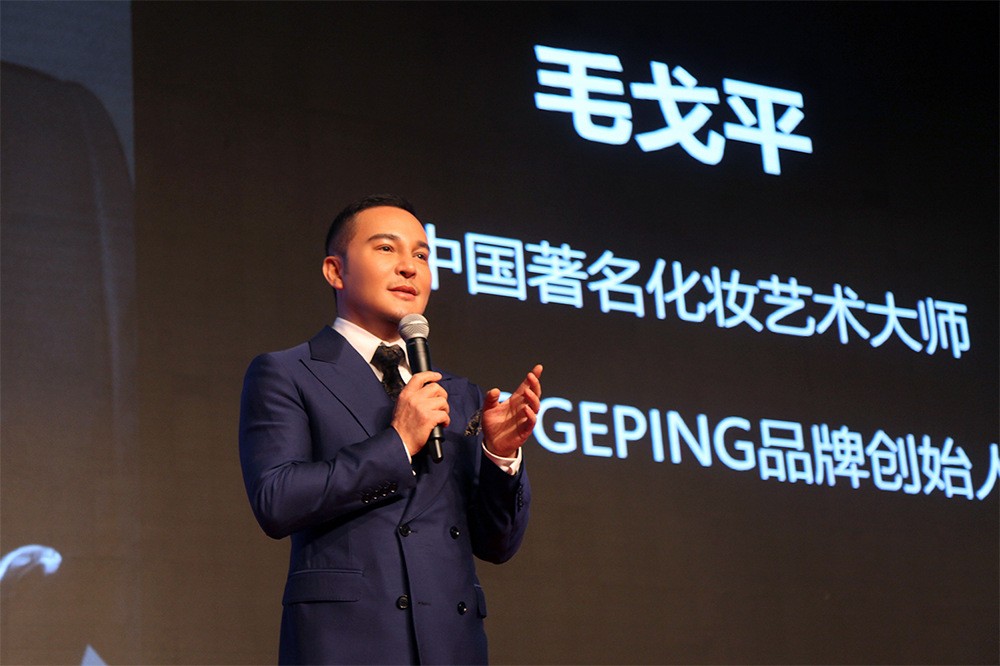
Cosmetics tycoon Mao Geping enjoys star status in China where he gives tips and tutorials on social media platforms.


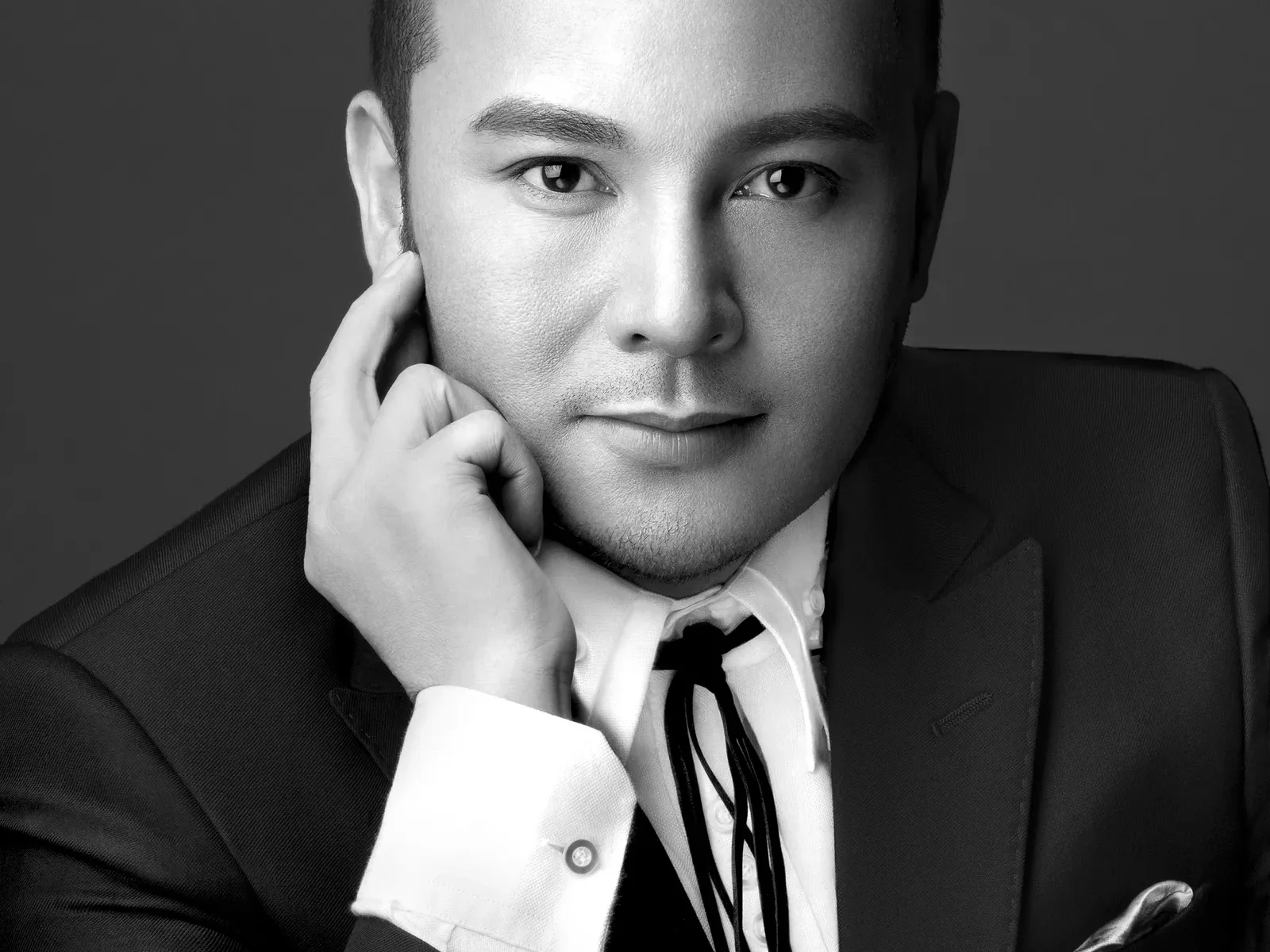
Mao Geping, the 60-year-old makeup artist, has become a billionaire thanks to a successful listing of his eponymous cosmetics brand in Hong Kong, with shares rising as much as 87% from its initial public offering price on the first day of trading.

The entrepreneur, who founded Mao Geping Cosmetics Co. in 2000, now has a net worth of $1.6 billion based on a company stake owned by himself and his wife, according to Forbes estimates. Headquartered in the scenic city of Hangzhou, Mao Geping Cosmetics raised HK$2.3 billion ($301 million) by pricing 78.4 million shares at HK$29.80 apiece, the top end of a previously indicated range.

Retail investors were keen on the premium cosmetics brand, which is seen as having advantages over international companies such as Estée Lauder and L’Oreal in product design and thanks to the Guo Chao trend. That term refers to Chinese consumers’ increasing preference for local brands and their aesthetics compared to foreign ones, as they come to believe the former is just as good. The retail tranche of Mao Geping’s share sale was oversubscribed almost 920 times, making it one of Hong Kong’s most popular listings this year.

The company is also riding high on a broader rally after China signaled yesterday more forceful measures to stimulate its faltering economy, Kenny Ng, a Hong Kong-based securities strategist at Everbright Securities International, says via WeChat. After rallying Monday afternoon, Hong Kong’s benchmark Hang Seng Index was up another 1% Tuesday morning.

Investors are encouraged by the Chinese leadership’s announcement of “moderately loose” monetary policy for 2025, a significant change from the “prudent” monetary policy used for some 14 years. Its description of fiscal policy has also changed from “proactive” to “more proactive,” suggesting that the fiscal deficit will be raised to 4% of GDP next year from 3% in 2024, Nomura economists including Lu Ting wrote in a Dec. 9 research note.

Those announcements suggest stepped up spending to boost growth next year, and China may set an economic growth target of “around 5%” to shore up confidence, according to the Nomura economists. As consumers become more optimistic, any increased spending may benefit high-end brands such as Mao Geping, says Everbright’s Ng.

But Dickie Wong, Hong Kong-based executive director of research at Kingston Securities, cautions that Mao Geping’s gains may not be sustained. He thinks its valuation is already high amid a sentiment-driven market rally. “It is time for investors to take profit,” he says by phone.

Mao Geping Cosmetics didn’t respond to an e-mailed request for comment. Amid economic uncertainties at home, the company has said in its prospectus that overseas expansion is a core strategy. It intends to grow in Europe, America and the Asia-Pacific region by selling online as well as offline in high-end department stores, according to its prospectus. Mao Geping Cosmetics did not rule out strategic investments and acquisitions for international expansion, the prospectus said.

That would be a big step for a cosmetics brand that mostly operates in mainland China. In the first six months of this year, the company’s revenue jumped 41% year-on-year to almost 2 billion yuan ($271 million). Net profit was 492.5 million yuan, also up 41% from the same period a year earlier.

Mao, who initially studied Chinese opera performance but later went into cosmetics, enjoys star status as a makeup artist at home. He gives tips and tutorials on social media platforms such as the Instagram-like Xiaohongshu and Douyin, TikTok’s sister app in China. The entrepreneur is so good at it that some internet users joke that he can perform the feat of huan tou, or change one’s look completely.

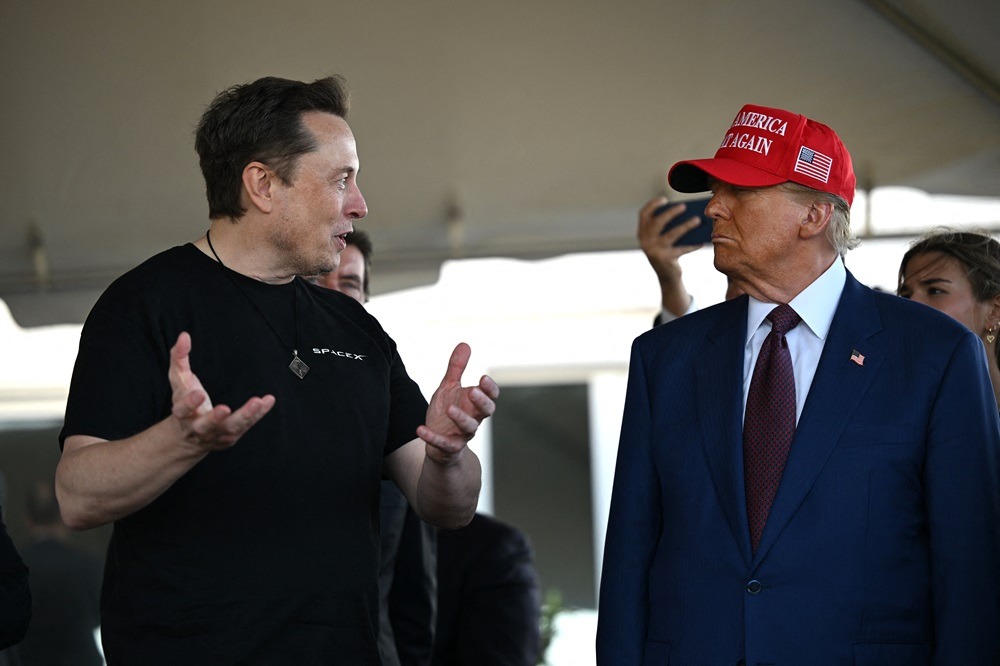
Sen. Elizabeth Warren, D-Mass., demanded information on if Elon Musk’s governmental work will be subject to conflict-of-interest rules, as President-elect Donald Trump has so far rebuffed concerns that Musk’s work with Trump could benefit the Tesla CEO’s own companies.

Key facts

  • Warren sent a letter to Trump asking questions about what ethics rules, if any, Musk has agreed to concerning his work with the government, as Trump has tapped the billionaire to co-lead the “Department of Government Efficiency” (DOGE)—a group that will work with the Trump administration but formally operate outside of the government.

  • Trump’s transition team has put ethics rules in place for its members that prohibit them from working on efforts that pose a conflict of interest, and Warren asked if Musk is following those guidelines or recusing himself from any discussions, noting his companies—notably Tesla and SpaceX—benefit from government contracts and “have an ongoing interest in how the government does or does not enforce” various laws.

  • Though Musk is not a federal employee, “the need for him to be subject to similar ethics standards is obvious,” Warren wrote, arguing not imposing any rules around his governmental work “is an invitation for corruption on a scale not seen in our lifetimes.”

  • Warren requested the Trump transition team answer what ethics standards will apply to Musk as the co-chair of DOGE, if he’ll recuse himself from any work that could impact his companies, whether DOGE’s records will be publicly accessible like government records are, and for details about Musk’s conversations with other tech leaders about his governmental work and what advice they’re giving him.

  • In a statement to The Washington Post, which first reported Warren’s letter Tuesday, Trump spokesperson Karoline Leavitt decried Warren’s letter and used Trump’s widely criticized nickname for the Democratic senator, saying, “Pocahontas can play political games and send toothless letters, but the Trump-Vance transition will continue to be held to the highest ethical and legal standards possible—a standard unfamiliar to a career politician whose societal impact is 1/1024th of Elon Musk’s.”

  • Leavitt did not specify whether Musk will be subject to ethics rules.

Crucial quote

“Mr. Musk’s substantial private interests present a massive conflict of interest with the role he has taken on as your ‘unofficial co-president,’” Warren wrote to Trump. “Currently, the American public has no way of knowing whether the advice that he is whispering to you in secret is good for the country—or merely good for his own bottom line.”

What has Trump said about Elon Musk’s work?

Trump was asked about Musk’s conflicts of interest in an interview with TIME published last week and similarly rebuffed concerns about the billionaire using Trump to benefit his companies. “I don’t think so,” Trump said when asked if Musk’s work posed a conflict, later saying, “I think that Elon puts the country long before his company.” “He considers this to be his most important project, and he wanted to do it,” Trump continued, referring to Musk’s work with the president-elect. “And, you know, I think, I think he’s one of the very few people that would have the credibility to do it, but he puts the country before, and I’ve seen it, before he puts his company.”

Forbes valuation

Forbes estimates Musk’s net worth at $454.5 billion as of Tuesday morning, making him the richest person in the world. The Tesla CEO has become the richest he’s ever been in the wake of Trump’s election as Tesla stock has climbed, far surpassing his previous net worth record of $320.3 billion that Musk set in November 2021.

Is Elon Musk subject to ethics rules?

While employees of government agencies are subject to strict ethics rules, outside advisory committees—like DOGE appears to be—typically do not have the same level of scrutiny, with experts noting to USA Today they’re often populated with people from the private sector that are chosen to give advice based on that expertise. Experts noted DOGE has a far wider reach than those committees, however, so it’s unclear if Musk and co-chair Vivek Ramaswamy will be held to a different standard. “The assumption is you’re bringing in people actually in from the industries to give advice on policies, and you know they’re conflicted, but you want to hear them,” Columbia Law School professor Richard Briffault told USA Today about typical federal advisory committees—but DOGE “takes it to a level far greater than any other advisory committee,” he added. There are some cases in which members of advisory committees are classified as “special government employees” who are subject to ethics rules, with the Office of Government Ethics defining those workers in 2005 as any “‘officer or employee . . . who is retained, designated, appointed, or employed’ by the Government to perform temporary duties” for no more than 130 days per year. Trump has not given any indication that DOGE’s work is only temporary, however, so it’s unclear if that designation could apply to Musk.

Key background

Musk became one of Trump’s most outspoken supporters ahead of the election, donating more than $200 million to PACs backing Trump’s election and speaking out in favor of the ex-president on social media and at campaign events. The Tesla CEO and his businesses stand to heavily benefit from a favorable presidential administration, with The New York Times reporting Tesla and SpaceX alone have held $15.4 billion in government contracts over the past decade. There have also been at least 20 recent federal investigations or reviews targeting Musk’s companies, according to The Times, which the incoming Trump administration could put to an end, and the billionaire stands to influence governmental agencies charged with creating the regulations that Musk’s companies have to follow. In particular, the Trump administration’s rules around self-driving cars and electric vehicle credits are expected to impact Tesla. Musk has broadly called for there to be less “government waste” and regulations, and lobbied Trump for a role helping to improve “government efficiency” even before the election. Warren’s letter pushing for more guardrails around Musk’s role comes as the Democratic senator has been a frequent critic of Musk and big tech companies and corporate interests. Prior to her letter to Trump, Warren also sent Tesla’s board of directors a letter in August, warning the board was not sufficiently addressing Musk’s conflicts of interest with his other companies and she could ask the Securities and Exchange Commission to intervene.

The UAE’s cabinet has approved the country’s official stance on artificial intelligence (AI) policy, a strategic step in its comprehensive foreign policy framework designed to tackle the complex challenges posed by AI worldwide, state-run Emirates News Agency (WAM) reported Friday.

AI policy

The UAE government plays a key role in shaping global AI governance frameworks and international policies by positively contributing to multilateral platforms dedicated to setting up an effective and responsible AI sector, according to Omar Sultan Al Olama, Minister of State for Artificial Intelligence, Digital Economy, and Remote Work Applications.

Countries and regional blocs are taking various regulatory measures to protect the world from AI technology risks with the proliferation of AI-based products and the increased usage of AI tools. These regulations are also aimed at protecting fundamental rights, democracy, the rule of law and environmental sustainability from high-risk AI. 

The AI policy is set to strengthen the UAE’s global leadership in AI, ensuring that technological advancements go hand in hand with improving the well-being of society, Al Olama noted.

“By aligning the country’s foreign policy with global artificial intelligence standards, we enable local stakeholders, including private enterprises, research institutions, and others, to tackle the challenges of artificial intelligence on an international scale,” added Omran Sharaf, Assistant Foreign Minister for Advanced Science and Technology.

The country’s AI policy was developed jointly by the Office of the Assistant Foreign Minister for Advanced Science and Technology and the Office of the Minister of State for Artificial Intelligence, Digital Economy, and Remote Work Applications.

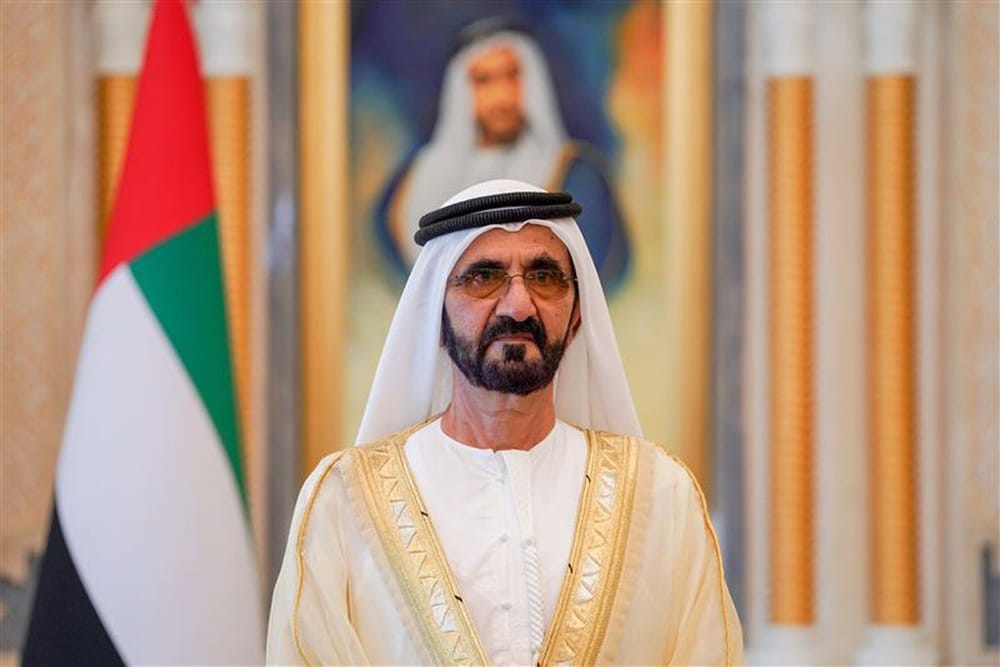
The cabinet meeting was chaired by Sheikh Mohammed bin Rashid Al Maktoum, Vice President, Prime Minister and Ruler of Dubai. 

Crucial quote

“The UAE has become a significant player in the global governance of artificial intelligence, actively contributing to international policy discussions and helping define the standards and frameworks that will shape the future of AI,” Al Olama added.

Six key principles

The AI policy is built on six key principles such as advancement, cooperation, community, ethics, sustainability, and security, showing a commitment to ensuring that AI development in the country aligns with ethical, social, and environmental priorities, according to the WAM report.

Moreover, the policy seeks to use AI to drive economic diversification and innovation, while encouraging the development of high-impact technological solutions.

The UAE’s position includes foreign policies on AI, including participating in international AI forums to shape the development and use of the technology through future standards and guidelines. 

The Gulf state will also advocate transparency and built-in checkpoints within AI tools, enabling governments to enforce ethical standards and implement accountability measures, besides supporting the establishment of international alliances for governing, securing, and developing AI systems, said the WAM report.

The UAE will also encourage the implementation of international regulations that hold countries accountable for developing AI tools that could cause harm or destabilisation while ensuring AI security, privacy protection, and data safety.